
Inflation’s Quiet Redesign Of Wellness Packaging
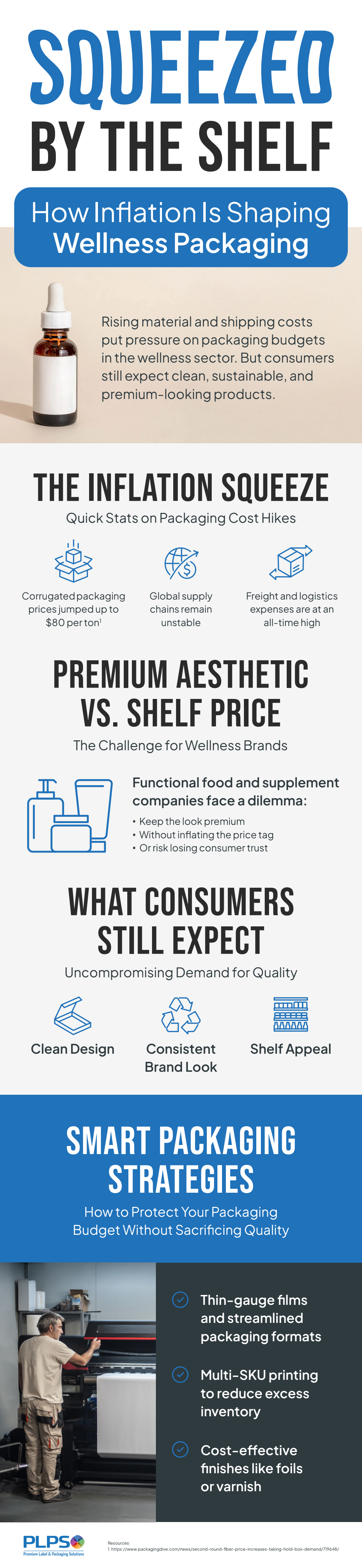
Rising costs are reshaping how wellness products reach consumers, and packaging sits at the centre of this shift. From supplements to personal care items, inflation has pushed brands and supply chain leaders to rethink materials, formats, and logistics decisions.
Material Costs Drive Smarter Choices
Inflation has increased the price of paperboard, plastics, glass, and inks. As a result, brands are reassessing which materials truly serve a purpose and which add unnecessary expense. Lightweight packaging has gained traction because it reduces raw material use and lowers transport costs. Thinner walls, smaller caps, and simplified closures all help manage rising input prices.
This shift has also encouraged closer collaboration with suppliers. Early conversations about material availability and price volatility help prevent last-minute substitutions. For supply chain teams, foresight has become just as valuable as scale.
Right Sizing and Format Changes
Another visible response to inflation is right-sizing. Oversized containers, once used to create shelf presence, now face scrutiny. Brands are aligning packaging dimensions more closely with actual product volume, which cuts waste and improves pallet efficiency.
Single-use formats and refill models are also being reconsidered. In some cases, refill pouches reduce material costs and shipping weight. In others, multi-use containers offer better long-term value for customers. These decisions affect warehouse layout, picking processes, and transport planning.
Sustainability Under Cost Pressure
Sustainability goals have not disappeared, but inflation has changed how they are pursued. Recycled and bio-based materials sometimes carry higher price tags, forcing brands to balance environmental targets with financial realities. Many organisations now focus on incremental improvements rather than sweeping changes.
Clear labelling, simplified designs, and fewer mixed materials can still support recyclability without significant cost increases. These choices also reduce sorting errors during packing and speed up downstream handling. In this environment, wellness packaging becomes a tool for efficiency as much as brand identity.
Supply Chain Resilience and Risk Management
Inflation has exposed weaknesses in over-specialised packaging supply chains. Relying on a single material or supplier can lead to delays when prices spike or availability drops. Diversifying sources and qualifying alternative materials helps protect continuity.
Inventory strategies are shifting as well. Holding excessive packaging stock ties up capital, yet just-in-time models carry risk during volatile periods. Many supply chain leaders are finding a middle ground that prioritises high turnover components while keeping contingency options ready.
Consumer Perception Still Matters
Even under cost pressure, packaging plays a key role in consumer confidence. Wellness products require a sense of safety, clarity, and care. Poor quality packaging can undermine trust, regardless of how effective the product may be.
Brands that communicate changes openly often fare better. Explaining why packaging looks different or feels lighter helps manage expectations. Consistency in function and protection reassures customers that standards remain intact.
Inflation is unlikely to ease quickly, which means packaging decisions made today will shape operations for years. Thoughtful design, supplier collaboration, and realistic sustainability goals allow businesses to protect margins while continuing to meet consumer needs in a changing economic climate. Look over the infographic below for more information.