
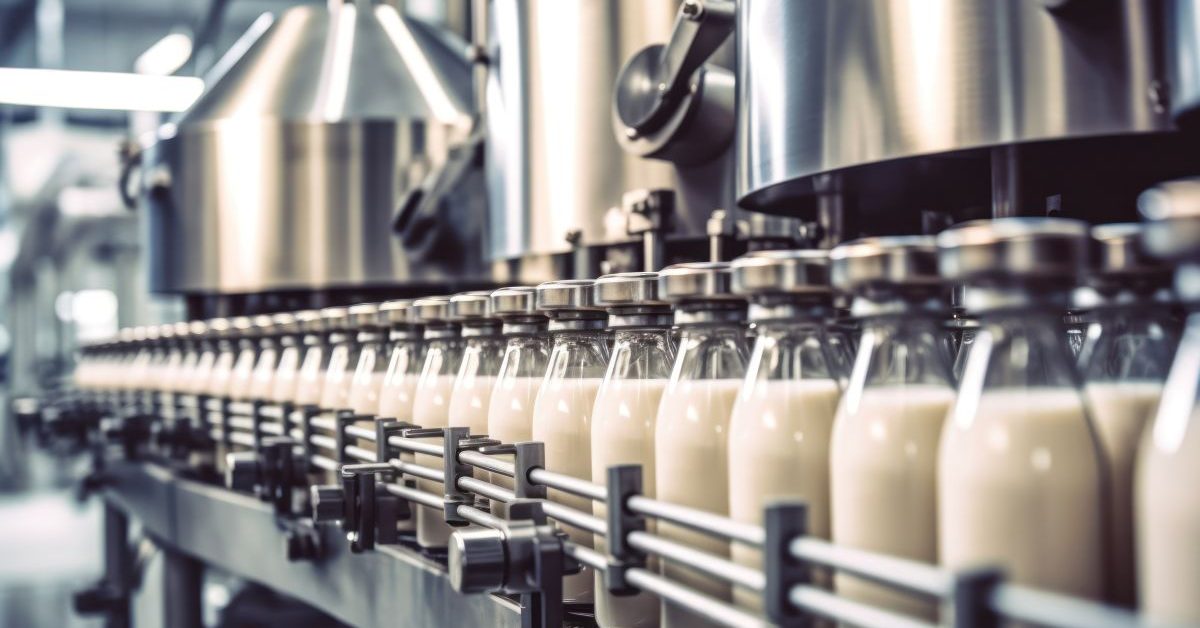
Everything You Should Know About the Dairy Industry Supply Chain
The dairy supply chain is a time-sensitive system that makes it possible for people to get access to fresh milk that is safe to drink or consume within a day or two. There are various moving pieces in this system, and every dairy needs to understand how the system works in order to produce safe products that are easy to sell. Even if you are not looking at creating your own dairy setup on your property, you need to understand how the dairy business works so that you understand the food supply better.
Milking machines for cows are a key part of the process of producing quality milk that is safe to drink. This is probably one of the most important parts of the overall dairy system. Cows are not milked by hand anymore unless a farm is very small or for personal use only. Let’s talk about how the dairy industry supply chain works so that you understand the steps and stages better.
How the Dairy Industry Supply Chain Works
The dairy industry follows strict processes to ensure that the products that they collect from their cattle are safe to be consumed. Dairies produce the milk that is sold in liquid form and also used to make things like butter, ice cream, and many other products. The milk production industry is a large economic concern, and there are many different, unique businesses that are involved in the process of creating safe milk products for consumers to buy.
1. Production
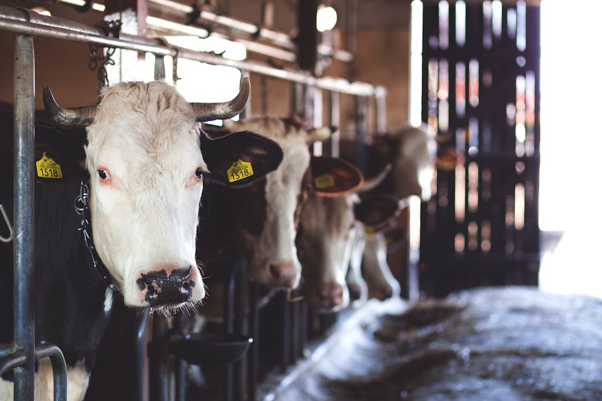
The first step is pretty obvious. Cows are milked with the use of automated milking solutions in most cases. The prevention of human contact is important for a variety of reasons. Humans and cows can share illnesses and skin issues back and forth, which means that keeping milking machines is probably best overall.
2. Collection and Transportation
The collection and transport process is done through the use of specialised tankers in most cases. These vehicles transport the milk right away at a controlled temperature so that it can be processed right away to prevent spoilage. Maintaining a consistent temperature for the milk throughout these first two steps matters.
During the collection phase, the milk will be stored in a refrigerated silo where the milk is agitated so that the milk fat doesn’t separate from the rest of the milk. Samples are taken from this milk to ensure that the milk is the right temperature and ready to be pasteurised.
3. Processing and Pasteurisation
The processing stage is critical to creating food products that can be sold. Plants that specialise in pasteurisation handle this part of the supply chain. They eliminate contaminants and pathogens so that the milk is safe to enjoy.
4. Distribution and Retail
Once the milk is clean and safe to enjoy, it will be distributed to suppliers. There is an entire secondary supply chain that is expertly maintained to handle this part of the work. Milk needs to be delivered on a routine basis to suppliers, but not so frequently that they lose product to spoilage. Consumption patterns and seasonal demand are taken into consideration in this part of the process.
There are two grades of milk that are produced in the US. Grade A is milk that is sold to the public in liquid form. Grade B milk is used to make butter, cheese, and other milk products. Most people don’t realise that there are two kinds of supply chains that are at work to create milk products. Gone are the days when your local dairy would make everything from butter to liquid milk products.
Challenges to the Supply Chain
There are always supply chain challenges that can impact perishable products. Milk needs to be delivered to the supplier within a couple of days of being collected so that it will last long enough on shelves to be worth buying. The “cold chain” has to be maintained throughout the process of creating usable milk products, or else the chain will be broken, and consumer health will be at risk.
Transportation is one of the places where the cold chain can be broken, and companies that produce and sell milk work hard to ensure that their supply chain and delivery processes are perfectly arranged to prevent spoilage or product loss. Labour shortages can impact all of the various stages of the milk production process, and this is keenly felt in the distribution stage of the work that needs to be done.
Exporting of milk-based products is done, but it is a much more specialised part of the industry. Most of the milk products that are exported are items like powdered milk. Dairies don’t usually work on products of both types since the process of creating and delivering perishable milk products is so time-sensitive.
Milk Products Have to Be Created Through Careful Processes
There are various specific processes that are part of the work that need to be done to create safe milk products that can be sold to the public. Careful temperature regulation is a key part of the process of keeping milk safe as it moves through the various stages of the production process. There are also testing phases that have to be completed throughout the steps in the process to make sure that the milk has been carefully prepared to be turned into consumer products.
Milking machines are one of the technological solutions that have made the life of dairy farmers much easier.
Keeping the milk clean and free from contaminants is a lot easier with technology working hard on the side of the dairy. Technological advances have made the process of delivering safe milk products to consumers easier than ever. More and more dairies are using all of the available technological advancements as they process their products. Whether you are a consumer or thinking about getting into the dairy farm business, understanding all the stages of the milk collection and preparation process is important.

Guarantee success in your supply chain with IoSCM. Find out how our qualifications, resources, support and expertise can help you. Call 0800 1422 522 today.