Connecting The Factory Floor: Integrating Technologies For A Smarter Supply Chain
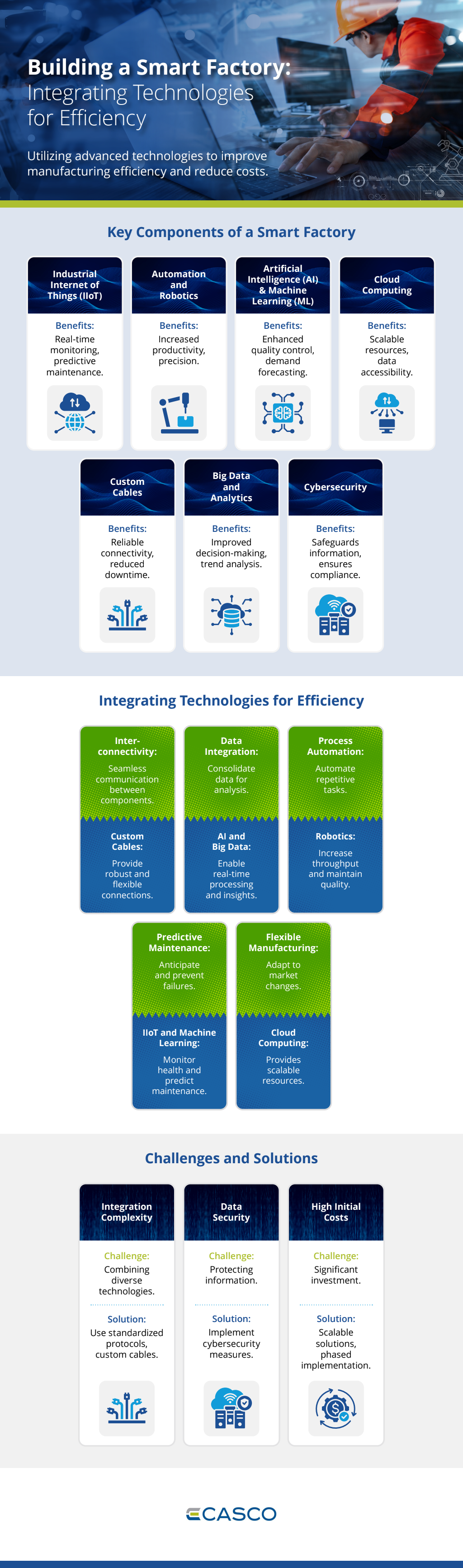
Manufacturing environments are changing as digital technologies reshape how factories operate and communicate. A smart factory relies on connected systems, data-driven processes, and integrated technologies that allow production teams to respond quickly. Integrating these technologies improves efficiency, strengthens visibility, and supports consistent output. In this infographic we explore how integrating technologies is connecting the factory floor for a smarter supply chain.
Connecting Equipment Through Digital Infrastructure
The foundation of a smart factory begins with connectivity between machines, systems, and operational teams. Production equipment equipped with sensors can capture data related to temperature, output levels, machine speed, and equipment status. This information becomes valuable once it flows through a network that links production assets with central monitoring systems.
Industrial networks allow data to move between machines and software platforms that analyse performance. Reliable hardware components also play a role in maintaining this connectivity. For example, facilities may rely on custom cable assemblies to support secure connections between sensors, control systems, and automated equipment across the factory floor.
Using Data for Operational Efficiency
A smart factory produces large volumes of operational data. When collected and analysed effectively, this data can reveal patterns that influence production decisions. Information gathered from sensors and monitoring systems may highlight machine idle time, maintenance needs, or variations in production output.
Data analytics platforms allow managers to evaluate these patterns through dashboards and performance reports. These insights help identify where adjustments may improve efficiency. For example, managers may discover that a particular production stage regularly slows output due to equipment limitations or scheduling issues.
Supply chain teams benefit from these insights as well. Accurate production data helps planners align manufacturing schedules with inventory levels and shipping timelines. This coordination supports smoother material flow between suppliers, factories, and distribution centres.
Automation and Process Coordination
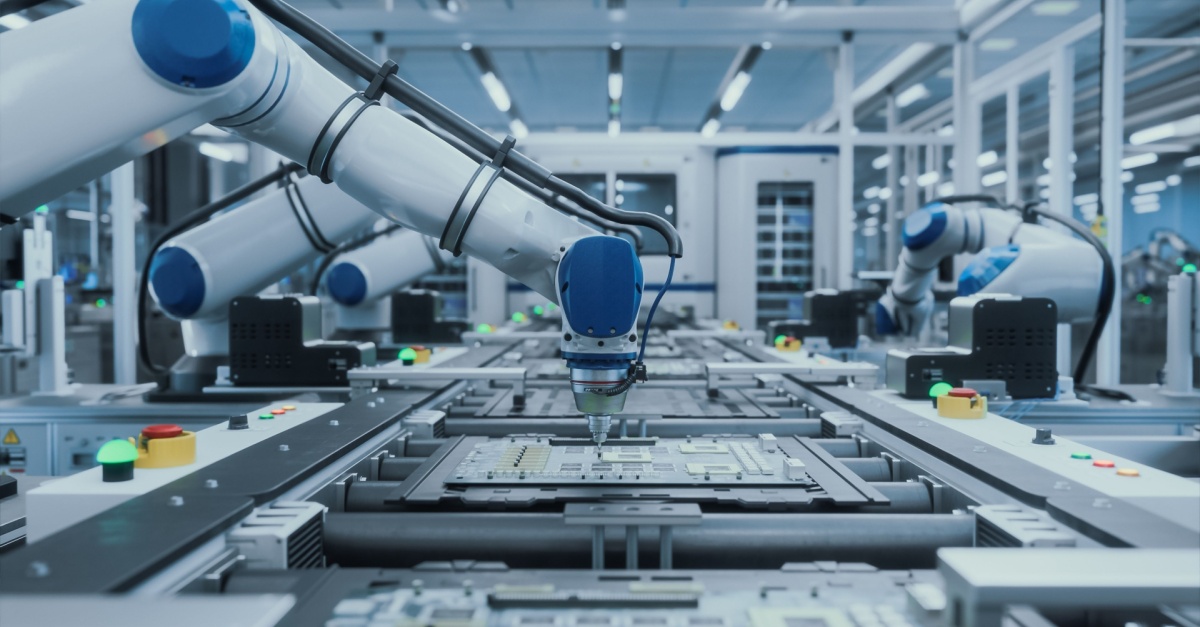
Automation forms another important component of a smart factory. Automated systems can perform repetitive tasks with consistent precision, allowing workers to focus on supervision and problem-solving. Robotics, conveyor systems, and automated packaging lines often contribute to faster and more reliable production.
Integration between automation systems and planning software allows factories to coordinate operations more effectively. Production schedules, inventory updates, and maintenance alerts can move automatically between departments through connected software platforms.
This coordination reduces manual data entry and lowers the risk of communication delays between teams. Supply chain managers gain clearer insight into production progress and can adjust logistics plans when necessary.
Supporting Workforce Collaboration
Smart factories do not replace human expertise. Instead, technology supports workers by providing clearer information about production activity. Digital dashboards, mobile monitoring tools, and control panels allow employees to observe performance and respond quickly when issues arise.
Training also plays an important role in this environment. Workers must understand how to interpret data from monitoring systems and how to operate integrated technologies safely. When employees feel comfortable using these tools, factories gain the full benefit of digital integration.
Building a smart factory involves more than installing advanced machines. Effective integration of connectivity, automation, and data analysis creates an environment where production processes align closely with supply chain needs. Organisations that adopt these practices often gain improved efficiency. Look over the accompanying resource for more information.