
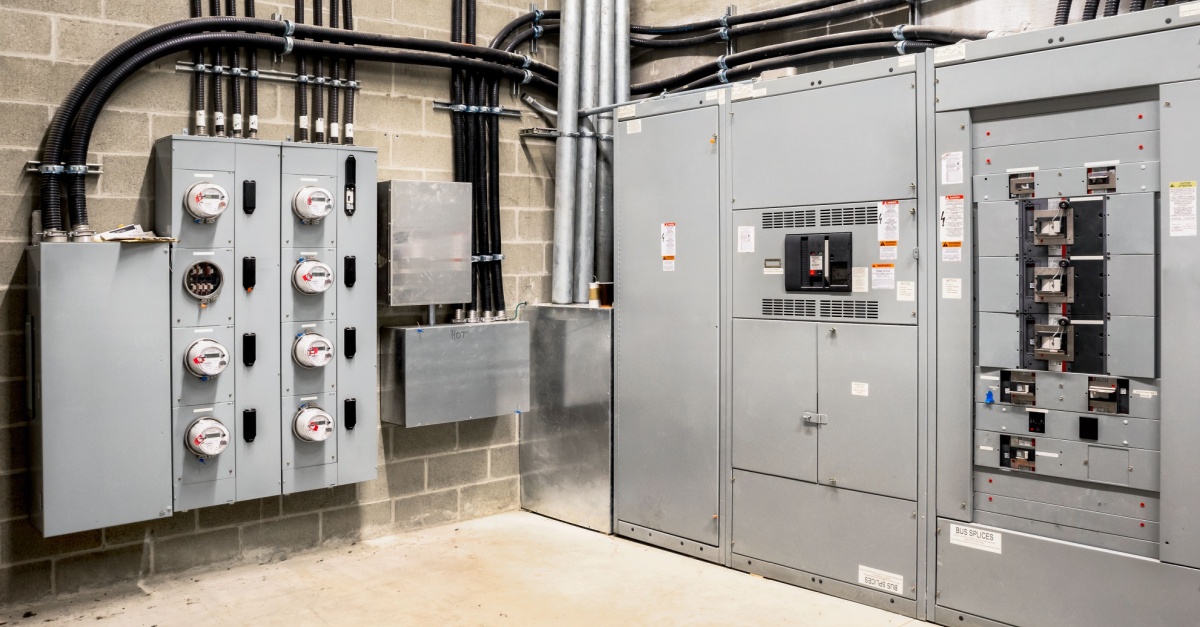
Commercial Electrician Insights on Electrical Safety Standards
In commercial operations, electricity is the lifeblood that keeps the gears turning. Yet, it’s also one of the most significant liabilities a business owner can face. Unlike a residential setting, where a tripped circuit might mean a brief moment of darkness, an electrical failure in a commercial environment can trigger a catastrophic domino effect: data loss, expensive machinery downtime, legal repercussions, and, most crucially, a threat to human life.
Adhering to electrical safety standards is a fundamental pillar of operational integrity. To understand how to navigate this complex landscape, let’s take a look at the rigorous standards and proactive measures recommended by industry experts.
Understanding Commercial Electrical Safety Standards
Commercial electrical systems are vastly more complex than their residential counterparts. While a home usually operates on a single-phase system, commercial properties often utilise three-phase power to handle heavy industrial loads. This increased complexity necessitates stricter governance.
In the UK, the gold standard is BS 7671 (The IET Wiring Regulations). These regulations are the national standard for electrical installations, ensuring that systems are designed, installed, and maintained to prevent fire and electric shock. Similarly, in other regions, standards like AS/NZS 3000 serve as the definitive roadmap for safety. These benchmarks exist because commercial environments are dynamic—equipment is upgraded, floor plans are shifted, and power demands fluctuate. Without a rigorous set of building codes, the risk of “improvised” electrical solutions would skyrocket.
Maintaining safe, compliant systems often requires the expertise of professional commercial electrician services, who can assess risks, perform inspections, and implement protocols tailored to your business.
Common Electrical Risks in Commercial Properties
Professional electricians frequently encounter hidden hazards that business owners overlook. The most prevalent risks include:
- Overloaded circuits: As businesses grow, they often plug more equipment into existing outlets than the infrastructure can handle. This leads to overheating and potential fires.
- Outdated wiring: Many commercial buildings operate on commercial wiring that was never designed for the digital age. Degraded insulation and undersized conductors are silent killers.
- Poor earthing and grounding: Inadequate earthing can lead to stray voltages on metal casings, posing a severe shock risk to staff.
- Faulty equipment: Even a perfectly installed system is compromised if the machinery plugged into it is poorly maintained.
The consequences of ignoring these risks extend beyond physical danger. Under the Electricity at Work Regulations 1989, employers have a legal duty to ensure safe electrical systems. Non-compliance can lead to hefty fines, invalidated insurance claims, and a tarnished reputation that is difficult to rebuild.
Best Practices Recommended by Commercial Electricians
To mitigate these risks, seasoned electricians advocate for a proactive rather than a reactive approach.
Routine Inspections
An Electrical Installation Condition Report (EICR) is essential. For most commercial properties, this should be conducted every five years (or more frequently depending on the environment). This in-depth inspection identifies issues that aren’t visible to the naked eye, from deteriorating electrical components in office buildings to stressed wiring systems in industrial facilities.
Preventative Maintenance
Don’t wait for a failure to call an electrician. Preventative maintenance, such as thermal imaging of switchboards to detect hotspots, can identify a failing component before it causes a blackout. A licensed electrician can assess your electrical needs and schedule regular checks of electrical panels, ensuring that power distribution remains stable and efficient.
Lockout/Tagout (LOTO)
Safety is paramount during repairs. Commercial electricians strictly follow lockout/tagout procedures, ensuring that circuits are physically locked in the “off” position and tagged while work is performed. This prevents accidental re-energisation, which is a leading cause of workplace electrical injuries. When coordinating electrical work with a general contractor, these protocols become even more critical to prevent cross-trade incidents.
Staff Education
Safety is a shared responsibility. Training staff to recognise the signs of electrical distress, including flickering lights, buzzing sounds, or warm socket plates, is an invaluable first line of defence. Employees should know when to report issues with lighting fixtures or unusual behaviour from electrical equipment before problems escalate.
Emerging Trends in Commercial Electrical Safety
The industry is moving toward intelligent safety. Smart building systems and IoT-enabled energy monitoring now allow for predictive maintenance. Instead of guessing when a transformer might fail, modern sensors monitor power quality and heat in real-time, alerting facility managers to anomalies before they escalate.
Upgrading to these modern systems does more than just enhance safety; it improves energy efficiency. By identifying dirty power or phase imbalances, businesses can reduce their carbon footprint and lower utility bills simultaneously. Industrial electricians increasingly recommend surge protection and backup power solutions as part of a comprehensive electrical design strategy, particularly for facilities running high-voltage equipment or sensitive high-voltage systems.
For businesses planning expansions or new builds, ground-up installations offer the opportunity to integrate the latest electrical codes and safety features from the outset. Modern electrical wiring standards accommodate future growth whilst maintaining compliance, and professional electrical repairs can retrofit older properties to meet contemporary safety benchmarks.
Conclusion
Electrical safety isn’t an area where shortcuts pay off. The complexity of modern commercial infrastructure demands a level of expertise that only a qualified commercial electrician can provide. By adhering to established standards and embracing a culture of regular maintenance, businesses protect their most valuable assets: their people and their productivity.
Investing in professional electrical audits is an investment in the longevity of your enterprise. In the long run, the cost of compliance is a fraction of the cost of a single major electrical failure.

Advance the capabilities of your business with IoSCM. Call 0800 1422 522 for more information.