
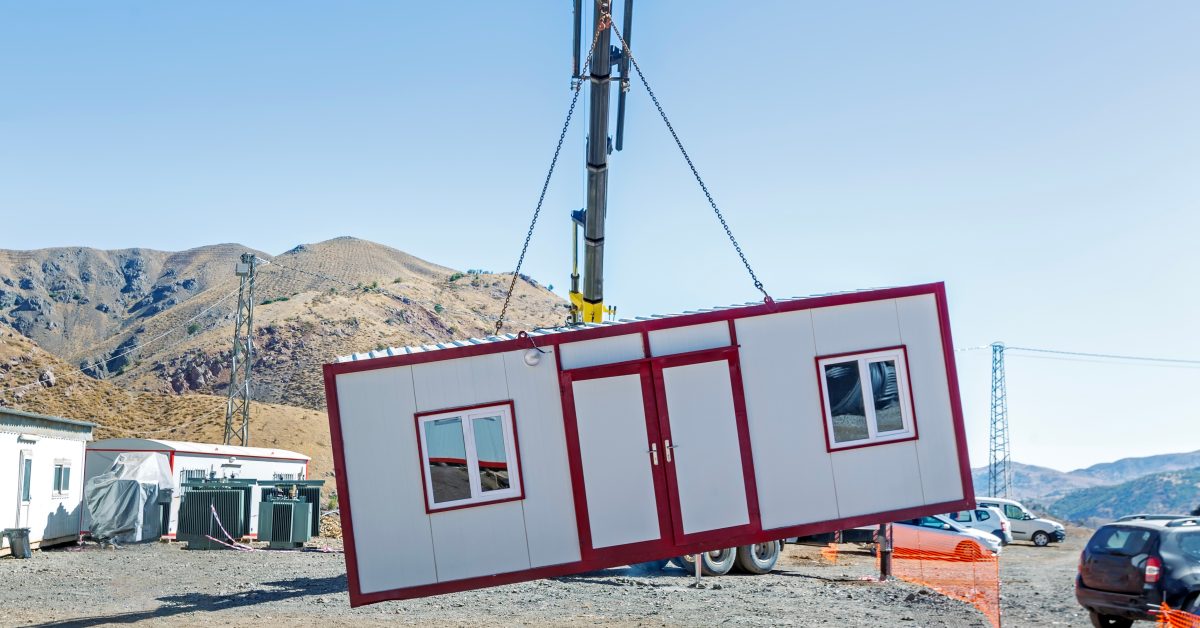
Transporting Tiny Homes: The Logistics Behind Portable Living
Tiny homes have changed how people think about space, cost, and mobility. These compact houses support a minimalist lifestyle, which appeals to people who want less clutter and more freedom. They offer a simpler way of living without giving up comfort. Moving a tiny home from one place to another, however, is not as easy as it may seem. The process calls for careful planning, proper equipment, and a clear understanding of transportation and transporting requirements.
A clear view of the logistics involved helps explain why tiny homes offer both flexibility and responsibility.
Understanding the Structure of Tiny Homes
A tiny home may look small, but its structure shares many features with a traditional house. It includes walls, insulation, plumbing, and electrical systems that must stay protected during transport. Many of these units are built in a way similar to a mobile home, yet they often follow different design standards.
Weight plays a major role in transportation. Some tiny homes weigh several thousand kilograms. Builders must follow size and weight limits set by local authorities to ensure safe travel. A new home that exceeds those limits often requires special permits before it can be moved.
Design also affects mobility. A taller structure may struggle to pass under bridges or power lines. A wider layout may require escort vehicles. These factors shape the overall transport plan and cannot be ignored.
Planning the Route
Route planning involves more than selecting the shortest path. Roads must be checked for height restrictions, tight corners, and weight limits. A route that looks simple on a map may present challenges in real conditions.
Transport teams often inspect the route ahead of time. Narrow roads, low-hanging branches, and uneven surfaces can create problems. Early inspection helps prevent delays and damage.
Weather conditions also influence planning. Rain can make roads slippery, while strong winds can affect balance during towing. Some areas allow oversized loads only during specific hours, which makes timing another important factor when shipping tiny homes across longer distances.
A well-planned route reduces risks and supports a smoother journey.
Learning More Before Transporting a Tiny Home
Reliable information helps avoid costly mistakes. Many first-time owners underestimate how detailed the process can be. Reading guides, case studies, and expert advice can make a noticeable difference when planning a move.
Some online resources break down the full process, from permits to setup. Platforms such as Tinee Homes offer practical insights, real-world examples, and tips that help readers understand what to expect. These resources often explain transportation requirements, design considerations, and common challenges in simple terms.
Spending time on research builds confidence and helps avoid unexpected problems during transport.
Permits and Legal Requirements
Legal rules form a key part of tiny home transport. Many areas require permits, especially when a home exceeds standard size limits. These permits vary depending on location and the dimensions of the home.
Authorities often classify larger units as oversized loads. This classification leads to additional transportation requirements that must be followed carefully. Escort vehicles may be necessary to guide the transport and alert other drivers.
Safety measures may also include signage and flashing lights. These features help improve visibility on the road. Ignoring legal requirements can result in fines, delays, or more serious consequences.
Proper documentation keeps the process organised and avoids unnecessary trouble.
Choosing the Right Equipment
The right equipment supports safe and efficient transport. A strong towing vehicle is essential, but it is only one part of the setup. Meeting proper vehicle requirements ensures that the towing process remains stable and controlled.
Heavy-duty trucks are commonly used because they can handle large loads with better control. The trailer must also be in good condition. Tires, brakes, and connections should be inspected before the trip begins.
Stability remains a top concern. Straps, supports, and safety chains keep the tiny home secure on the trailer. These elements prevent movement that could damage the structure during transit.
Careful equipment selection reduces the chance of problems on the road.
Managing Risks During Transit
Drivers must stay alert throughout the journey. Road conditions can change quickly, and unexpected obstacles may appear. Careful driving helps maintain balance and control.
Speed plays a key role in trucking safety. High speeds increase the risk of damage, while very slow movement may disrupt traffic flow. A steady pace often provides the best results.
Challenges such as road closures or sudden weather changes may require quick decisions. A backup route helps keep the process moving without major delays.
Clear communication between the driver and support team improves coordination and safety.
Delivery and Setup at the Destination
The journey does not end once the tiny home reaches its destination. Proper placement is necessary to ensure long-term stability. The site should be prepared in advance with a level and solid surface.
Positioning the home correctly allows for easier setup of utilities. Water, electricity, and sewage systems must be connected before the home becomes fully functional.
Final adjustments may take time, but they ensure the home is safe and ready for use. A careful setup completes the transport process and prepares the space for daily living.
Conclusion
Tiny homes provide a flexible way to live, but moving them requires planning and precision. Each stage, from design to delivery, contributes to a safe and efficient journey. Legal rules, route planning, and proper equipment all play important roles. Transportation requirements must be followed carefully to avoid delays or risks. Small details can make a significant difference during transport. With the right preparation, the process becomes more manageable and reliable.

While you may not have a requirement for transporting tiny homes, understanding logistics operations is vital in the modern supply chain. Whether you are transporting raw materials or coordinating final-mile customer deliveries, IoSCM can help you advance your logistics and supply chain knowledge. Call 0800 1422 522 today to speak with a Course Advisor.