
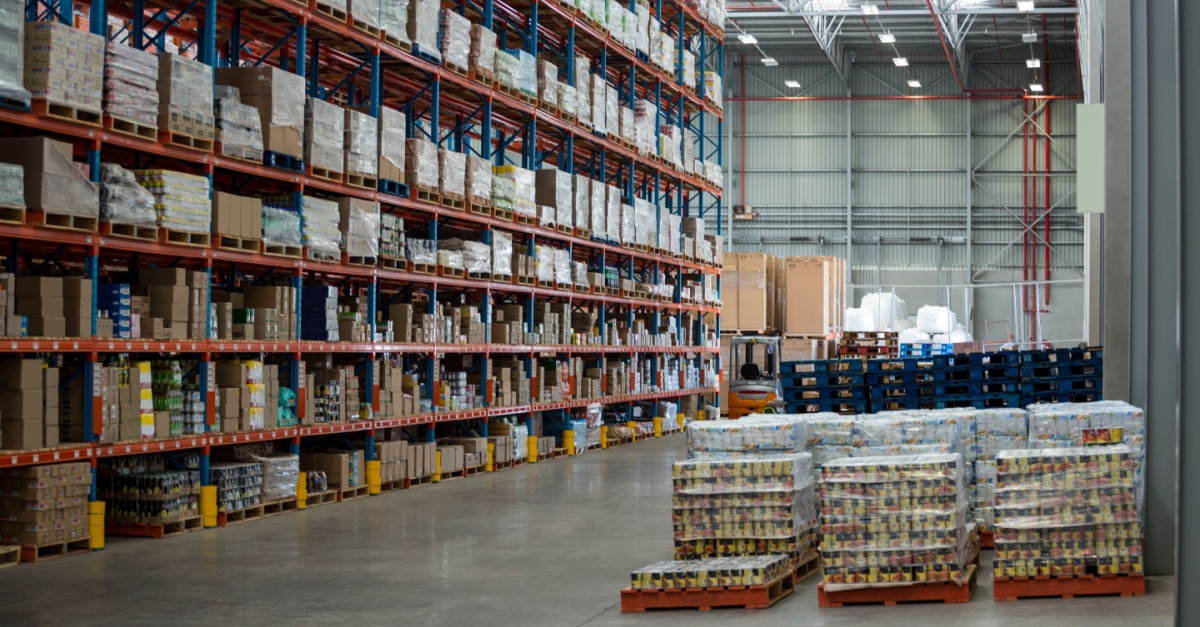
Supporting Industrial Automation Through Strategic Warehouse Design
Automated equipment, robotics, and digital monitoring systems allow facilities to manage production and distribution with greater precision. While automation technologies often receive the most attention, storage infrastructure plays an equally important role. Effective storage systems support automated processes by ensuring that materials, components, and finished goods move efficiently through the facility. A well-organised storage environment allows automation systems to operate smoothly. In this infographic we examine how strategic warehouse design is supporting industrial automation.
The Connection Between Storage and Automated Workflows
Automation depends on consistent material flow. Machines and robotic systems require predictable access to components and products to maintain production speed. Storage systems that organise materials logically allow automated equipment to retrieve items without delays.
Structured racking systems, automated storage units, and clearly labelled storage locations help maintain order across the facility. When inventory remains organised within these systems, robots and automated retrieval tools can locate items quickly. This arrangement reduces time spent searching for materials and prevents interruptions in automated workflows.
Facilities that rely heavily on automation often integrate storage systems with warehouse management software. Digital tracking tools monitor inventory levels, location data, and movement history. When storage systems communicate with automation platforms, materials move through the supply chain with greater accuracy.
Supporting Inventory Visibility and Data Accuracy
Accurate inventory data forms a foundation for automated operations. Storage systems that track item locations help supply chain teams maintain reliable information about stock levels and availability.
Barcode scanning, radio frequency identification systems, and digital tracking platforms allow warehouses to monitor products as they move through storage areas. These technologies ensure that automated equipment retrieves the correct items while maintaining accurate inventory records.
Clear storage structures also support inventory auditing. When products remain organised within defined locations, staff members can verify quantities more efficiently. Reliable data allows automation systems to function with fewer errors.
Organisations often collaborate with industrial storage companies when planning these systems. These specialists help design layouts that accommodate both automation equipment and efficient inventory control.
Improving Safety and Workflow Efficiency
Industrial storage systems also influence safety and operational efficiency. Automation systems operate best in environments where pathways remain clear and materials are stored securely. Poorly arranged storage areas may obstruct robotic equipment or create hazards for staff working alongside automated machinery.
High-quality racking systems help maintain clear traffic routes for forklifts, automated guided vehicles, and robotic arms. Secure shelving prevents products from shifting or falling during retrieval operations.
Preparing for Scalable Automation
Industrial operations rarely remain static. Production demands, product lines, and distribution volumes often change over time. Storage systems that support automation must remain flexible enough to accommodate these shifts.
Modular racking systems and adaptable storage layouts allow facilities to adjust their configuration as automation technologies evolve. Warehouses may expand storage capacity, introduce new automated retrieval systems, or reorganise product zones without major structural changes.
Storage infrastructure plays a critical role in the success of automated supply chains. Well-organised storage systems support efficient material flow, maintain accurate inventory records, and create safe working environments. When storage design aligns with automation technologies, facilities gain greater efficiency. Look over the infographic below to learn more.

