
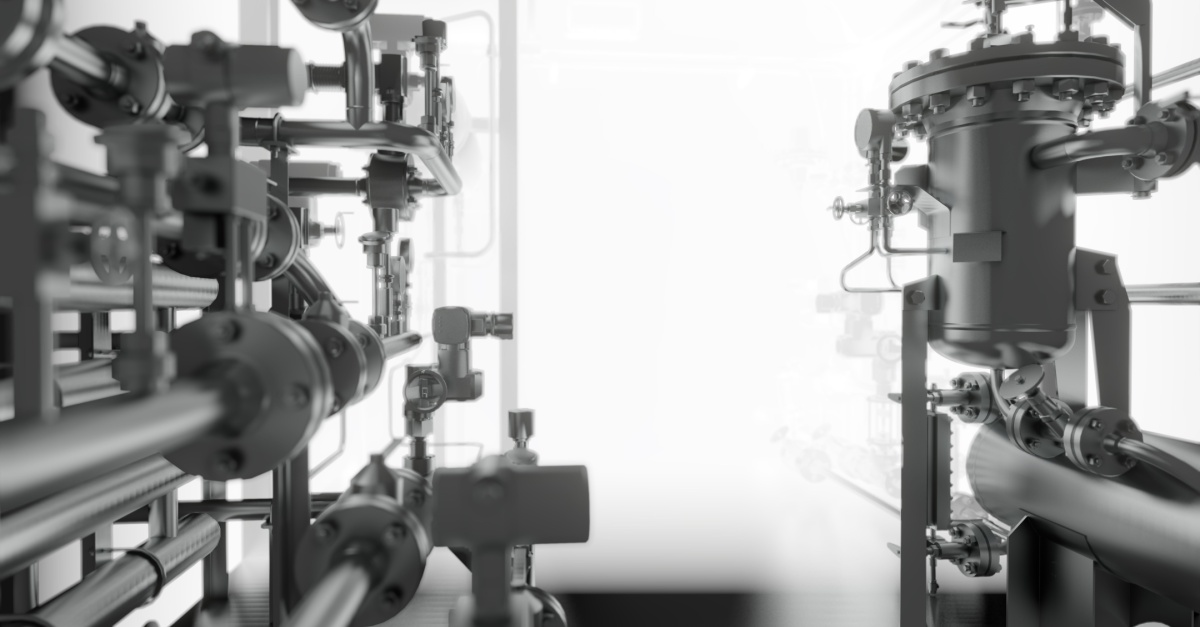
Engineering For Endurance: Industrial System Designs That Extend Operational Lifecycles
Industrial operations rely on systems that must function consistently across long periods of production. Equipment failures, premature component wear, and inefficient layouts can shorten system lifespan and disrupt supply chain continuity. For organisations that depend on reliable manufacturing and distribution, designing industrial systems with longevity in mind becomes an important priority. In our Engineering for Endurance infographic, we examine industrial system designs that extend operational lifecycles.
Designing with Durability in Mind
System lifespan often begins with material selection and structural planning. Industrial equipment operates in environments that may involve heavy loads, temperature changes, or chemical exposure. Designers must therefore choose components capable of performing under demanding conditions.
Materials such as reinforced steel, corrosion-resistant alloys, and protective coatings help extend equipment life. These materials resist physical strain and environmental damage that might otherwise cause early deterioration.
Component compatibility also influences durability. Systems designed with compatible parts tend to experience fewer mechanical conflicts. When individual elements work smoothly together, wear patterns remain more predictable and maintenance becomes easier to manage.
Collaboration between manufacturers, engineers, and suppliers often supports this process. Specialists, including pipe fitting companies that design industrial fluid systems, contribute expertise that ensures pipelines, joints, and connections remain reliable throughout extended operational periods.
Planning for Maintenance Accessibility
Even the most durable industrial systems require routine maintenance. Designs that allow easy access to components help technicians complete inspections and repairs efficiently. Accessible layouts reduce downtime because maintenance teams can reach equipment without dismantling large sections of the system.
Clear pathways around machinery and equipment support this goal. Service panels, removable covers, and labelled components simplify routine checks. Technicians can monitor wear levels, replace parts, and restore equipment functionality without extensive disruption.
Integrating Flexible System Architecture
Industrial environments evolve as production requirements change. Facilities may introduce new product lines, automation equipment, or updated safety standards. Systems designed with flexibility can adapt to these changes without requiring full replacement.
Modular components support this adaptability. Equipment arranged in modular sections allows engineers to modify layouts or upgrade individual parts while preserving the overall system structure. This approach extends system lifespan by reducing the need for complete redesign.
Flexible system architecture also helps supply chain operations remain responsive. Manufacturers may adjust production capacity or modify workflows in response to market demand. Systems that allow reconfiguration make these adjustments more manageable.
Supporting Lifecycle Through Monitoring and Data
Digital monitoring tools have become increasingly important for maintaining industrial systems over long periods. Sensors installed within equipment track temperature, vibration levels, and operational output. Data collected from these sensors allows engineers to evaluate performance trends.
Analytical platforms process this information and identify patterns that indicate potential wear or inefficiencies. Maintenance teams can use these insights to schedule repairs or component replacements at appropriate intervals.
Data-driven monitoring also supports strategic planning. Organisations can analyse historical performance data to determine when upgrades or system adjustments may become necessary. This approach helps maintain operational stability while extending equipment life.
Industrial systems designed for long lifecycles depend on thoughtful engineering decisions. Facilities that apply these principles often achieve consistent performance while reducing operational disruption. Look over the infographic below for more information.

