
Electrical Maintenance Best Practices for Ageing Infrastructure
Tel: 0800 1422 522
 Back to list

Electrical Maintenance Best Practices for Ageing Infrastructure

  • General News
  • 6th March 2026
Electrical Maintenance Best Practices for Aging Infrastructure Old buildings and power grids have a lot of character, but their electrical systems are often living on borrowed time. As infrastructure ages, the risk of unexpected blackouts, equipment failure, and electrical fires goes up every year. You cannot treat a thirty-year-old electrical panel the same way you treat a brand new one. Maintaining these systems is about more than just fixing things when they break. It requires a proactive strategy to keep power flowing safely and efficiently. Here are a few maintenance habits that can help you extend the life of your equipment and avoid the massive costs of a complete system overhaul: Start With a Clear System Review The first step in maintaining aging infrastructure is understanding what is in place. Many older buildings have outdated wiring, modified circuits, and hidden junctions that weren’t documented properly. A thorough system review can map out electrical panels, feeders, and key electrical components. Using tools like thermal cameras and load meters can identify stressed circuits or overheating connections. You should also observe how light fixtures, smoke alarms, and industrial electricity setups are wired, since these can reveal potential shock and electrocution hazards before they become serious. Consider working with industry experts, such as Anode Electrical Contractors, who are experienced in both commercial and residential projects. They can help identify hidden issues, recommend practical upgrades, and guide you on complying with the electrical code. Their experience can also make it easier to prioritise repairs and maintenance, so you address the most critical risks first. Keep Documentation Fresh and Usable Outdated diagrams and faded labels can make electrical maintenance slower and more stressful. Technicians might spend extra time tracing circuits or guessing connections, which can lead to mistakes. Keeping clear records of electrical installations and updates helps everyone work more efficiently and safely. Simple steps like updating panel schedules, labelling breakers, and storing digital copies of wiring layouts can save time during repairs. Recording each inspection or upgrade also builds a handy history for both residential and commercial wiring, as well as industrial electricity systems. Focus on Connections and Terminations Loose or corroded connections are a common cause of problems in older electrical equipment. Terminals, bus bars, and grounding points can wear down over time from heat, vibration, and dust. Checking accessible connections and tightening or cleaning them can reduce erratic behaviour. You should also keep an eye on control devices, switches, and other electrical components. If they show significant wear, replacing them, even small parts like corroded lugs, can improve stability and lower the risk of power surges or electrical fires. Maintain Protective Devices Carefully Breakers, fuses, and relays often get overlooked until something goes wrong. In older systems, they might not have been tested for years, and dust, age, or wear can affect how they work. Regular testing will help ensure protective devices function as they should. Checking breaker movement, relay settings, and fuse condition can catch problems before they affect power systems. When devices are outdated, planning gradual replacements in line with the electrical code can reduce risks down the line. Watch Load Growth and Circuit Stress Older infrastructure often supports more devices than it was designed for. Additional lighting systems, servers, air conditioners, and other equipment increase demand on circuits. Without careful monitoring, this invisible energy drain can overload the wiring and electrical panels. Conducting load studies will help you see which circuits carry the heaviest load. You should also balance three-phase systems or redistribute connections to ease stress on residential and commercial electrical systems. Keeping an eye on peak draw can reduce breaker trips, equipment wear, and potential safety hazards. Pay Attention to Cables and Insulation Electrical wiring in older buildings can degrade from heat, moisture, or mechanical stress. Insulation may crack or dry out, increasing the risk of shock and electrocution hazards. Rodents and overcrowded conduits can also damage cables over time. Visual inspections and insulation resistance tests can identify weak spots in residential and commercial wiring or industrial electricity networks. Rerouting or replacing worn cables can be safer than repeated patching, especially in areas with critical lighting systems, smoke alarms, or other essential devices. Control the Environment Around Equipment Electrical equipment can wear out faster in poor conditions. Dust, humidity, and heat can shorten the life of panels, breakers, and other components, so environmental control should be part of any maintenance routine. Regular cleaning of electrical rooms, checking ventilation, and monitoring temperature can reduce stress on wiring and control devices. Keeping storage away from panels, light fixtures, and other components helps maintain airflow and makes inspections simpler and safer. Build a Practical Preventive Maintenance Plan A preventive maintenance plan provides structure to daily upkeep. Instead of reacting to faults, teams can follow a schedule for inspection, testing, and cleaning. Older and critical systems, like main electrical panels and industrial electricity setups, could be checked more frequently. Using work orders, checklists, and notes from each visit builds a history of the system. That record can highlight recurring issues and inform budgeting for repairs, upgrades, or eventual replacement. Support Staff With Training and Clear Procedures Older electrical systems can behave differently from modern installations. Indicators may be limited, and manual controls might be unfamiliar to newer staff. Providing hands-on training can help your team work safely with electrical systems. Clear lockout and isolation procedures, along with simple guides on panels, breakers, and control devices, can reduce mistakes. Encouraging staff to report unusual heat, sounds, or sparks helps catch problems early. Conclusion Aging electrical infrastructure doesn't have to be a ticking time bomb. With consistent attention and the right maintenance practices, older systems can stay safe and reliable. The key is shifting from reactive fixes to proactive care. While you can't eliminate every risk, you can catch warning signs early and make smart decisions about when to repair and when to replace.

Electrical Maintenance Best Practices for Ageing Infrastructure

Old buildings and power grids have a lot of character, but their electrical systems are often living on borrowed time. As infrastructure ages, the risk of unexpected blackouts, equipment failure, and electrical fires goes up every year. You cannot treat a thirty-year-old electrical panel the same way you treat a brand new one. Maintaining these systems is about more than just fixing things when they break. It requires a proactive strategy to keep power flowing safely and efficiently.

Here are a few maintenance habits that can help you extend the life of your equipment and avoid the massive costs of a complete system overhaul:

Start With a Clear System Review

The first step in maintaining ageing infrastructure is understanding what is in place. Many older buildings have outdated wiring, modified circuits, and hidden junctions that weren’t documented properly. A thorough system review can map out electrical panels, feeders, and key electrical components.

Using tools like thermal cameras and load meters can identify stressed circuits or overheating connections. You should also observe how light fixtures, smoke alarms, and industrial electricity setups are wired, since these can reveal potential shock and electrocution hazards before they become serious.

Consider working with industry experts, such as Anode Electrical Contractors, who are experienced in both commercial and residential projects. They can help identify hidden issues, recommend practical upgrades, and guide you on complying with the electrical code. Their experience can also make it easier to prioritise repairs and maintenance, so you address the most critical risks first.

Keep Documentation Fresh and Usable

Outdated diagrams and faded labels can make electrical maintenance slower and more stressful. Technicians might spend extra time tracing circuits or guessing connections, which can lead to mistakes. Keeping clear records of electrical installations and updates helps everyone work more efficiently and safely.

Simple steps like updating panel schedules, labelling breakers, and storing digital copies of wiring layouts can save time during repairs. Recording each inspection or upgrade also builds a handy history for both residential and commercial wiring, as well as industrial electricity systems.

Focus on Connections and Terminations

Loose or corroded connections are a common cause of problems in older electrical equipment. Terminals, bus bars, and grounding points can wear down over time from heat, vibration, and dust. Checking accessible connections and tightening or cleaning them can reduce erratic behaviour.

You should also keep an eye on control devices, switches, and other electrical components. If they show significant wear, replacing them, even small parts like corroded lugs, can improve stability and lower the risk of power surges or electrical fires.

Maintain Protective Devices Carefully

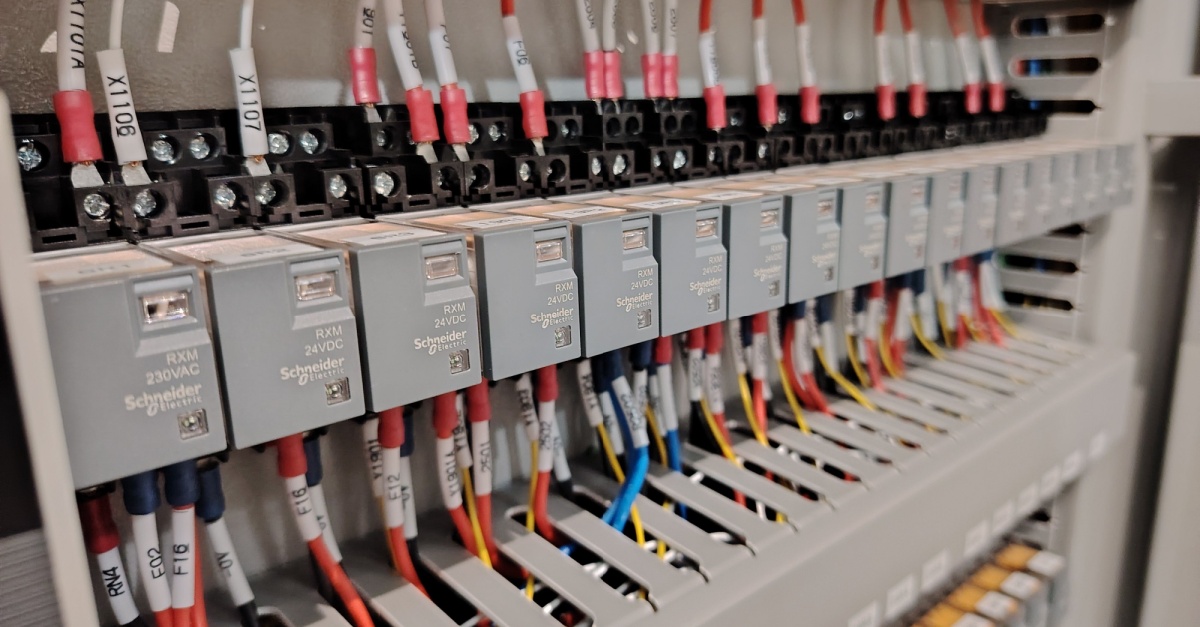
Breakers, fuses, and relays often get overlooked until something goes wrong. In older systems, they might not have been tested for years, and dust, age, or wear can affect how they work.

Regular testing will help ensure protective devices function as they should. Checking breaker movement, relay settings, and fuse condition can catch problems before they affect power systems. When devices are outdated, planning gradual replacements in line with the electrical code can reduce risks down the line.

Watch Load Growth and Circuit Stress

Older infrastructure often supports more devices than it was designed for. Additional lighting systems, servers, air conditioners, and other equipment increase demand on circuits. Without careful monitoring, this invisible energy drain can overload the wiring and electrical panels.

Conducting load studies will help you see which circuits carry the heaviest load. You should also balance three-phase systems or redistribute connections to ease stress on residential and commercial electrical systems. Keeping an eye on peak draw can reduce breaker trips, equipment wear, and potential safety hazards.

Pay Attention to Cables and Insulation

Electrical wiring in older buildings can degrade from heat, moisture, or mechanical stress. Insulation may crack or dry out, increasing the risk of shock and electrocution hazards. Rodents and overcrowded conduits can also damage cables over time.

Visual inspections and insulation resistance tests can identify weak spots in residential and commercial wiring or industrial electricity networks. Rerouting or replacing worn cables can be safer than repeated patching, especially in areas with critical lighting systems, smoke alarms, or other essential devices.

Control the Environment Around Equipment

Electrical equipment can wear out faster in poor conditions. Dust, humidity, and heat can shorten the life of panels, breakers, and other components, so environmental control should be part of any maintenance routine.

Regular cleaning of electrical rooms, checking ventilation, and monitoring temperature can reduce stress on wiring and control devices. Keeping storage away from panels, light fixtures, and other components helps maintain airflow and makes inspections simpler and safer.

Build a Practical Preventive Maintenance Plan

A preventive maintenance plan provides structure to daily upkeep. Instead of reacting to faults, teams can follow a schedule for inspection, testing, and cleaning. Older and critical systems, like main electrical panels and industrial electricity setups, could be checked more frequently.

Using work orders, checklists, and notes from each visit builds a history of the system. That record can highlight recurring issues and inform budgeting for repairs, upgrades, or eventual replacement.

Support Staff With Training and Clear Procedures

Older electrical systems can behave differently from modern installations. Indicators may be limited, and manual controls might be unfamiliar to newer staff. Providing hands-on training can help your team work safely with electrical systems.

Clear lockout and isolation procedures, along with simple guides on panels, breakers, and control devices, can reduce mistakes. Encouraging staff to report unusual heat, sounds, or sparks helps catch problems early.

Conclusion

Ageing electrical infrastructure doesn’t have to be a ticking time bomb. With consistent attention and the right maintenance practices, older systems can stay safe and reliable. The key is shifting from reactive fixes to proactive care. While you can’t eliminate every risk, you can catch warning signs early and make smart decisions about when to repair and when to replace.

Business and Human Resources

Advance the capabilities of your business with IoSCM. Call 0800 1422 522 for more information.

Do you want more information?    Download Our Course Brochure