Green Homes and Sustainable Living: A Path Toward Environmental Responsibility
Whereas green homes and sustainable living were once considered an optional lifestyle choice, in today’s world—where global debate is dominated by climate change, resource depletion and pollution—sustainability is no longer optional but a pressing necessity. Sustainable housing offers a practical and effective solution for individuals, communities and organisations to reduce their ecological footprint. Green homes not only conserve resources and lower emissions, but also help ensure healthier and more resilient living conditions for both present and future generations.
Understanding Green Homes
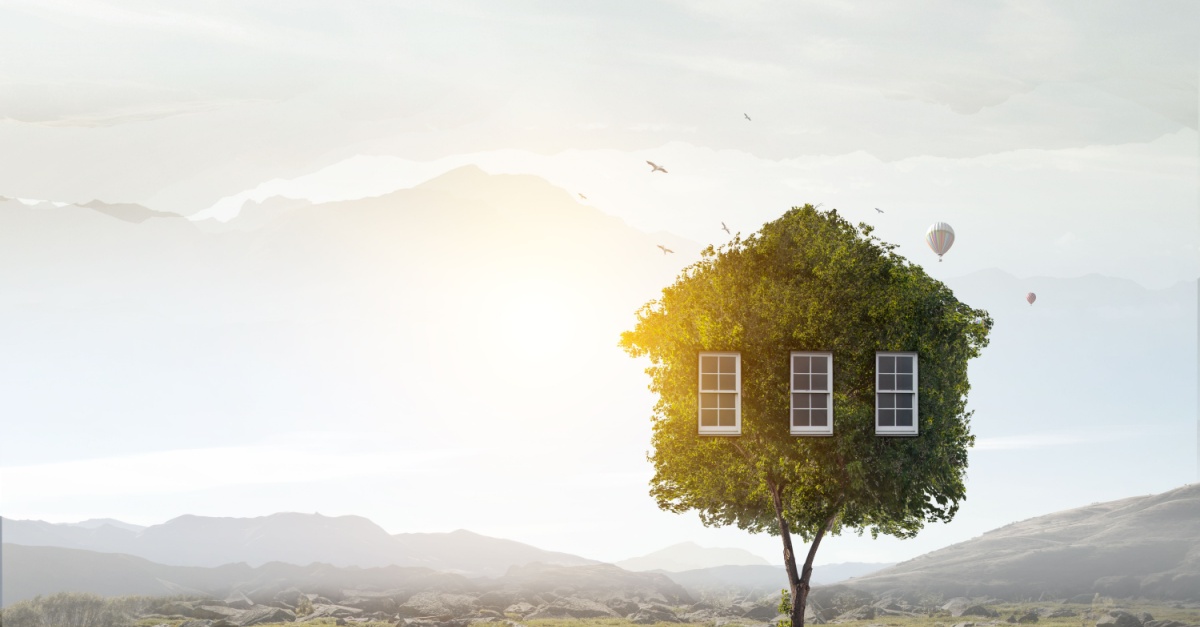
A green home is designed, furnished and maintained in a way that minimises environmental impact while maximising energy efficiency, comfort and health. Unlike conventional homes, which often rely heavily on energy-intensive systems and non-renewable resources, green homes integrate smart design principles and environmentally friendly technologies that work in harmony with natural systems.
Key characteristics of green housing include energy efficiency, water conservation, responsible material use, high indoor environmental quality, waste reduction and sustainable site planning. By combining these elements, homes become part of the solution to environmental challenges rather than contributors to them.
Core Elements of Sustainable Living Spaces
1. Clean Energy Solutions and Energy Efficiency
Energy consumption is a major contributor to global carbon emissions, making efficiency a primary focus of green homes. High-quality insulation, energy-efficient windows, passive solar design and modern appliances significantly reduce energy use. Many sustainable homes also incorporate renewable technologies such as solar panels, geothermal heating and wind energy systems.
These features lower greenhouse gas emissions, reduce long-term energy costs and improve energy security for homeowners.
2. Water Conservation Initiatives
Water scarcity is an increasingly serious global issue. Green homes address this through water-saving fixtures, rainwater harvesting and greywater recycling for irrigation and other non-potable uses. Low-flow taps, efficient toilets and drought-resistant landscaping reduce water waste without compromising everyday comfort.
By conserving water, homeowners protect a vital natural resource while also reducing utility bills.
3. Eco-Friendly and Healthy Building Materials
Traditional construction materials often require high energy input during manufacturing and may contain harmful chemicals. Green homes prioritise recycled, renewable, locally sourced and non-toxic materials, such as reclaimed timber, recycled steel, bamboo flooring and low-VOC paints.
These materials reduce environmental impact while creating healthier indoor environments by improving air quality.
4. Smart Technology for Sustainable Living
Smart home technology plays an increasingly important role in green housing. Intelligent lighting, smart thermostats, energy-monitoring applications and occupancy sensors allow homeowners to optimise energy and water use. These systems reduce waste, enhance comfort and provide real-time insights into consumption patterns.
Smart technology makes sustainable living simpler and more accessible, even for those new to environmentally conscious practices.
5. Environmentally Friendly Roofing and Outdoor Design
Sustainability extends beyond the home’s interior. Green roofs, permeable paving, native planting and home gardens help manage stormwater, reduce urban heat and promote biodiversity. Engaging a qualified green roof contractor ensures correct installation, long-term performance and maximum environmental benefit.
Sustainable outdoor design improves both environmental quality and property value while enhancing visual appeal.
Benefits of Green Homes and Sustainable Lifestyles
Environmental Impact
Green homes significantly reduce carbon emissions, energy demand and water consumption. By using renewable resources and efficient systems, they help combat climate change, protect biodiversity and reduce air, soil and water pollution.
Economic Advantages
Although initial construction costs may be higher, green homes offer long-term financial benefits. Reduced energy and water bills, lower maintenance costs and increased property value make sustainable homes economically attractive. In many regions, homeowners can also benefit from tax incentives, rebates and government-supported energy efficiency schemes.
Health and Well-Being
Green homes are designed with occupant health in mind. Improved ventilation, natural lighting and the use of chemical-free materials enhance indoor air quality, reducing respiratory issues, allergies and stress. Sustainable living also fosters a stronger connection with nature, positively supporting mental and emotional well-being.
Overcoming Barriers to Green Living
Despite the clear benefits, challenges remain, including higher upfront costs, limited awareness and a lack of technical expertise. However, advances in technology, falling renewable energy costs and greater access to sustainability education are making green homes more attainable than ever.
As demand increases, sustainable solutions continue to become more affordable and widely available.
The Role of Policy and Community Support
Government policies and community initiatives play a vital role in promoting sustainable housing. Energy efficiency standards, renewable energy incentives, green building certifications and public education programmes accelerate adoption. Sustainable communities benefit from cleaner air, reduced strain on infrastructure and greater social resilience.
Simple Steps Towards Sustainable Living
Homeowners can begin their sustainability journey with small but impactful actions, such as:
- Conducting a home energy audit
- Switching to LED lighting
- Installing water-saving fittings
- Using smart thermostats
- Planting native species in the garden
Although modest individually, these changes collectively make a significant long-term environmental difference.
Conclusion
Green homes and sustainable living represent a powerful commitment to environmental responsibility. They reflect stewardship, efficiency and long-term wellbeing. By making informed choices about how we design, build and live in our homes, we contribute to a healthier planet.
Sustainability is not a destination but a continuous process—one that begins at home and extends to the wider environment.