
Balancing Cost and Sustainability in Packaging Design
Sustainability in packaging design is now a key focus for businesses and consumers alike. As a matter of fact, many companies are under pressure to cut waste while keeping prices down. Balancing cost and sustainability is not easy, yet it is essential. High fees can discourage eco-friendly choices, but ignoring sustainability can harm brand trust and sales.
In short, successful packaging design today means achieving both affordability and environmental responsibility. Businesses that adapt gain customer loyalty, meet legal standards, and save money long term. This article explains how to reduce expenses without sacrificing sustainable goals. It covers material selection, design efficiency, production methods, and measurement tools that support smarter packaging strategies.
Understanding the True Cost of Sustainable Packaging
Many assume sustainable packaging is always more expensive. In contrast, that is not always true. The real cost depends on materials, energy use, logistics, and recycling. For example, lightweight or recycled options can lower shipping costs and reduce waste disposal fees. Looking only at initial prices hides the bigger picture.
Besides, considering the full lifecycle of packaging gives a clearer view. Recyclable materials might cost slightly more upfront, yet they reduce long-term expenses. As an illustration, brands using recycled cardboard often save through cheaper logistics and better recycling credits. Measuring both direct and hidden costs helps businesses make informed, cost-effective decisions that still meet sustainability goals.
Smart Material Choices for Lower Cost and Higher Sustainability
Material selection has the biggest impact on cost and environmental performance. Businesses can explore renewable and recyclable options such as paper pulp, bamboo, or plant-based plastics. Also, mushroom-based packaging and seaweed films show promise as sustainable alternatives. These materials are lightweight, reducing transport costs and emissions.
With this in mind, local sourcing can further cut carbon footprints. Choosing suppliers close to production sites saves fuel and improves delivery times. As an illustration, a UK-based brand that switched to local recycled paper saw both cost and emission reductions. The goal is to select materials that perform well, protect products, and support sustainability without high expense.
Different Item Needs When Packing
Every product requires different care during packaging. In truth, packing delicate stuff needs extra attention and specialised materials. Fragile goods such as glass, ceramics, or electronics demand padding, cushioning, and shock-resistant boxes. Bubble wrap, moulded pulp trays, and corrugated inserts protect these items from damage during transit. As a matter of fact, using recycled paper padding instead of plastic saves money and supports sustainability in packaging design.
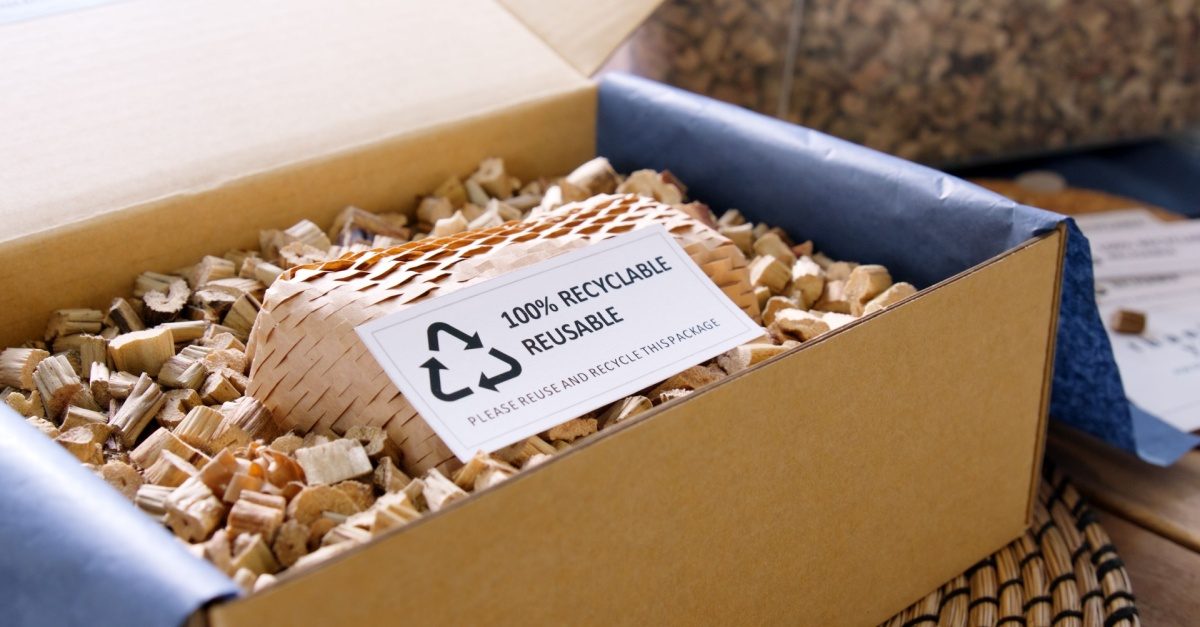
In contrast, durable items such as tools, books, or canned goods can handle simpler protection. They might need sturdy outer boxes but less interior support. Besides, choosing the right box size prevents unnecessary waste and reduces costs. Another key point is using eco-friendly fillers like shredded cardboard or compostable peanuts instead of foam. With this in mind, adapting packaging methods to suit each product type ensures both safety and environmental responsibility.
Design Efficiency: Less Material, More Impact
Efficient design reduces waste and lowers production costs. Packaging that uses fewer materials while keeping its function helps companies achieve both savings and sustainability. For example, minimalist and modular designs use simple shapes that need less raw material. This method cuts manufacturing waste and reduces storage space.
In addition, digital design tools improve accuracy and efficiency. 3D modelling allows teams to test different structures before production, preventing costly errors. Besides, packaging that nests or folds flat saves space during transport. Clever design choices reduce costs while making packaging easier to recycle, handle, and display.
Consumer Perception and Brand Value
Consumers today pay close attention to packaging—many associate eco-friendly design with quality and trust. Similarly, clear communication about materials and recycling options builds confidence. Brands should highlight their efforts without exaggeration, as false claims can damage credibility. Transparency encourages loyalty and repeat business.
In addition, packaging design tells a story. Colours, shapes, and textures can express a company’s environmental values. For instance, using natural tones and minimal graphics reflects a sustainable image. British brands such as Innocent Drinks and Lush show how simple packaging can project honesty and care for the environment. Hence, good design adds emotional value while supporting sustainability in packaging design.
Measuring Success: Metrics for Cost and Environmental Impact
Sustainable design needs clear measurement. Tracking carbon footprint, energy use, and recyclability provides insight into true performance. Businesses can calculate the cost per unit to identify areas for improvement. As an illustration, software tools now allow instant comparison between different packaging options.
Hence, regular audits help maintain progress. Lifecycle assessment (LCA) is another useful approach that measures environmental impact from production to disposal. Continuous data tracking helps adjust strategies and keep the balance between cost and sustainability. With this in mind, businesses can make confident, data-driven decisions that support long-term growth.
Manufacturing and Production Strategies That Support Sustainability
Sustainable manufacturing does not have to mean higher cost. Lean production methods reduce waste, energy use, and time. Factories that upgrade to energy-efficient machinery cut power bills and lower emissions. As a matter of fact, these improvements often pay for themselves through savings over time.
Besides, automation and precision processes improve consistency and reduce material waste. Local production also plays a key role. It shortens transport routes and supports regional economies. Nevertheless, small businesses can face challenges in funding these upgrades. Grants and partnerships with sustainable suppliers can help offset the investment. The long-term gains in efficiency and reputation make these efforts worthwhile.
Future Trends in Cost-Effective Sustainable Packaging
The future of packaging design looks innovative and practical. Compostable films and bio-based plastics are becoming more affordable. Reusable packaging systems are also growing in popularity, driven by consumer awareness and government support. Not to mention, digital printing helps reduce material waste through on-demand production.
Another key point is the rise of the circular economy. Companies are rethinking packaging to be reused or recycled multiple times. Smart labels and QR codes may soon provide instant recycling guidance for consumers. In short, the focus is shifting to smarter, lighter, and more efficient solutions that meet both cost and sustainability targets.
The New Standard for Cost-Efficient Sustainability in Packaging Design
Sustainability in packaging design is no longer optional—it is essential. Balancing cost and eco goals demands smart thinking, efficient design, and honest communication. Businesses that apply these strategies gain both financial and environmental rewards.
Nevertheless, success requires ongoing attention and clear measurement. Starting small and scaling improvements over time is the most effective path. In short, the future belongs to companies that combine innovation, efficiency, and genuine care for the planet while keeping costs manageable.

Advance your sustainable procurement processes with a team of skilled professionals. Call 0800 1422 522 today to find out how IoSCM can help.